Why I Switched to All-Weather Tires for Detroit's Pothole Season | Tire Size Hub
The pothole on I-75 near 8 Mile got me last March. I was doing sixty-five, which is the speed limit, which nobody in Detroit actually follows. The front left wheel hit it square. The impact sounded like a gunshot. I pulled over. The tire was fine. The wheel was not. Two hundred and forty dollars for a new rim. That was the day I started thinking seriously about what kind of rubber I was running during pothole season.
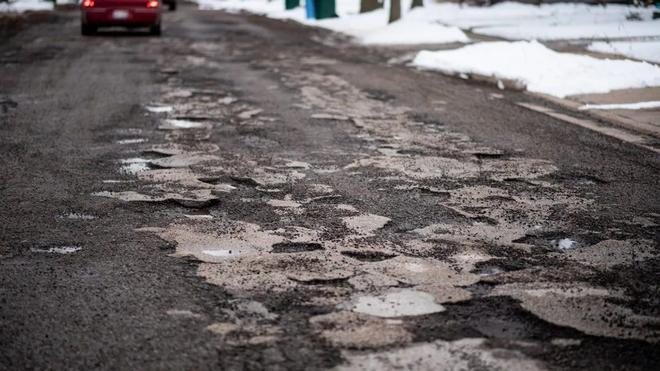
I have been on the shop floor in Detroit for ten years. I have seen tires fail for every reason you can imagine. Nails. Blowouts. Dry rot. Sidewall damage from curbs. But the number one killer of tires in Michigan from February to May is not wear. It is impact. Potholes. Cracked asphalt. The kind of road surface that makes you wonder if you are still in the United States or if you took a wrong turn into a war zone.
Most folks run all-season tires year-round. That is what the factory puts on. That is what the tire shop recommends because it is easy. But all-season tires are a compromise. They are designed to work in a range of conditions, which means they do not excel in any of them. The tread compound stiffens below forty degrees. The siping is not deep enough for slush. And the sidewall construction is optimized for comfort, not impact resistance. In pothole season, comfort is not your problem. Survival is.
All-weather tires are different. They carry the three-peak mountain snowflake symbol, which means they meet winter performance standards. But unlike dedicated winter tires, they are designed to stay on the car year-round. The compound stays flexible in cold temperatures. The tread pattern evacuates slush and water better than all-season. And the sidewall is reinforced to handle the kind of abuse Detroit roads dish out daily.
I put a set of all-weather tires on my wife's Subaru last October. She drives from Sterling Heights to downtown every day. That is twenty miles each way on some of the worst-maintained roads in the state. By March, her old all-seasons would have been cupped and noisy. The all-weathers? Still even wear. Still quiet. Still round. She hit the same pothole I did, same stretch of I-75. No damage. The tire absorbed it.
Here is the math. A good set of all-weather tires costs about $180 per tire. A good set of all-seasons costs about $140. The difference is $160 for the set. One pothole-damaged rim costs $240. One bent wheel costs $180 to repair. One blowout on the Lodge at rush hour costs you a tow, a missed meeting, and your sanity. The $160 premium pays for itself the first time you drive over a crater that would have destroyed a lesser tire.
But wait — you are thinking about the wear. All-weather tires wear faster in summer heat, right? Not anymore. The 2026 compounds from the major manufacturers have closed the gap. You are looking at maybe 5,000 fewer miles over the life of the tire. On a tire rated for 60,000 miles, that is 55,000. For the average Detroit driver doing 12,000 miles a year, that is four and a half years instead of five. I will take that trade. You should too.
The other thing people forget is that tire size matters for pothole resistance. A taller sidewall absorbs more impact than a low-profile one. If you are running 245/40R19 on your sedan, you have about 3.9 inches of sidewall. That is not much cushion. A 225/60R17 gives you 5.3 inches. That extra inch and a half is the difference between a thud and a trip to the wheel shop. I am not saying everyone should downsize. I am saying you should know what you are giving up for that sporty look.
I had a guy come in last week with a BMW 3 Series. Nineteen-inch wheels. Run-flats. He had blown two tires in three months. Both from potholes. I asked him if he had considered a smaller winter wheel setup. He said it would "ruin the look." I said, "How does a car on a flatbed look?" He did not laugh. He bought the wheels.
Detroit winter is not just snow. It is freeze-thaw. It is the temperature swinging from fifteen degrees to forty-five in a single day. That is what creates potholes. Water seeps into cracks, freezes, expands, thaws, leaves a void. Drive over it at speed and the pavement collapses. Your tire is the only thing between you and a $500 repair bill. Choose wisely.
I am not here to sell you tires. I am here to keep you safe. And in Detroit, from February to May, safety means rubber that can take a hit. All-weather tires are not a luxury. They are infrastructure compensation. Because the city is not fixing those potholes anytime soon. You know it. I know it. The only question is whether your tires know it too.
— Ryan Miller, Detroit
